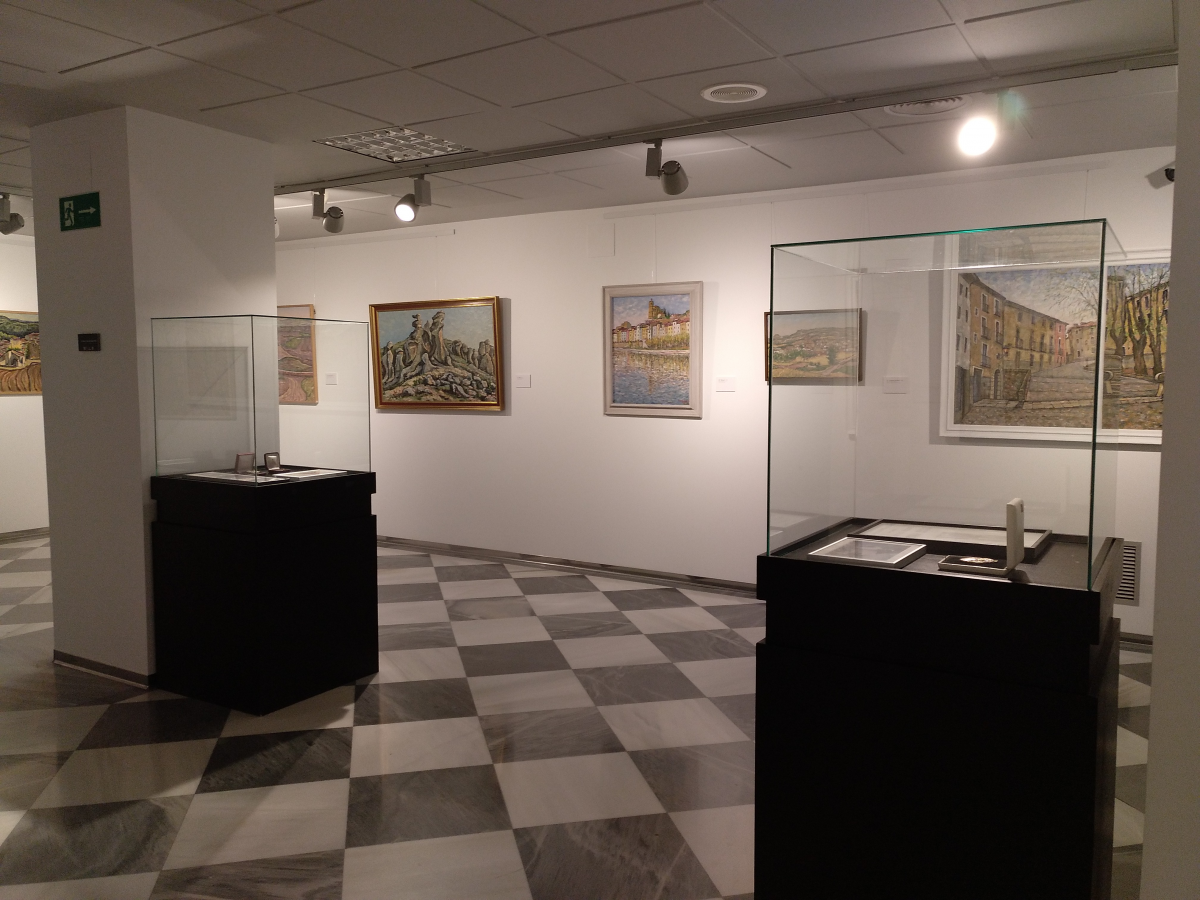
The Museo de Cuenca is not only a place dedicated to archaeological preservation but also a dynamic center of cultural activity. Throughout the year, the museum organizes temporary exhibitions, workshops, conferences, and special events that expand the narrative of its permanent collection while encouraging dialogue between the past and contemporary creativity.
These initiatives transform the museum into a meeting point for researchers, artists, students, and the general public, strengthening its role as an important cultural engine in the city of Cuenca.
🖼️ 1. Temporary Exhibitions
🔹 What Are Temporary Exhibitions?
Temporary exhibitions are displays organized for a limited period of time. Their main goals include:
-
Exploring a specific historical theme in greater depth
-
Presenting the results of recent archaeological or historical research
-
Displaying artifacts that are not usually part of the permanent exhibition
-
Creating dialogue between historical heritage and contemporary art
-
Collaborating with other cultural institutions
This format constantly renews the visitor experience and encourages people to return to the museum regularly.
🔹 Common Exhibition Themes
Temporary exhibitions at the museum often focus on different historical and cultural topics.
🏺 Monographic Archaeology
Some exhibitions concentrate on specific archaeological sites such as:
-
Segóbriga
-
Ercávica
-
Valeria
These exhibitions may present:
-
Recent archaeological discoveries
-
Detailed studies of particular artifacts
-
Reconstructions of ancient environments or structures
🧭 Provincial History
Other exhibitions explore broader historical themes related to the region, such as:
-
The urban development of Cuenca
-
Everyday life during the Middle Ages
-
The role of the province within Roman Hispania
🎨 Contemporary Art and Artistic Dialogue
Occasionally, the museum hosts exhibitions that connect historical heritage with modern artistic perspectives. These projects create bridges between archaeology and contemporary artistic expression.
🔹 Organization Process
Preparing a temporary exhibition involves several stages:
-
Research and selection of the exhibition theme
-
Selection of artifacts and institutional loans
-
Design of the exhibition layout and display elements
-
Writing explanatory panels and exhibition catalogues
-
Cultural promotion and public communication
The goal is to create a coherent narrative that combines scientific value with visual appeal.
🎤 2. Conferences and Cultural Programs
The museum regularly organizes cultural programs that complement its exhibitions, including:
-
Lectures by archaeologists and historians
-
Book presentations
-
Round-table discussions
-
Thematic lecture series on ancient history, medieval history, and cultural heritage
These activities help to:
-
Disseminate new academic research
-
Encourage critical thinking
-
Build a cultural community around the museum
-
Provide the public with direct access to experts
Many of these programs are organized alongside temporary exhibitions, expanding their theoretical context.
🏺 3. Educational Workshops and Learning Activities
Education is one of the fundamental pillars of the museum.
🔹 School Programs
The museum organizes guided visits adapted to different educational levels:
-
Primary education
-
Secondary education
-
High school students
-
University groups
These visits include educational materials, age-appropriate explanations, and interactive learning activities.
🔹 Practical Workshops
Some of the most common workshop activities include:
-
Introduction to archaeology
-
Simulated excavation techniques
-
Latin writing and epigraphy
-
Ancient pottery production
-
Historical reenactments
These hands-on activities allow participants to experience history in an engaging and practical way.
🌙 4. Special Events
🔹 The Night of Heritage
Cuenca is part of the network of Spanish cities designated as UNESCO World Heritage Sites. During events such as La Noche del Patrimonio, the museum extends its opening hours and organizes special activities including:
-
Night tours of the museum
-
Musical performances
-
Historical theatrical presentations
-
Special guided tours
These events strengthen the connection between cultural heritage and the local community.
🔹 European Heritage Days
The museum also participates in European Heritage Days, a European initiative aimed at:
-
Raising awareness about cultural heritage conservation
-
Promoting free public access to heritage sites
-
Introducing new audiences to cultural institutions
🤝 5. Institutional Collaborations
The Museum of Cuenca collaborates with many institutions, including:
-
Universities
-
Research centers
-
Cultural associations
-
Other museums across Castilla-La Mancha
These collaborations make it possible to exchange artifacts, develop joint research projects, and organize traveling exhibitions.
📚 6. Publications and Catalogues
Many temporary exhibitions are accompanied by educational and academic materials such as:
-
Specialized exhibition catalogues
-
Informational brochures
-
Scientific publications
-
Downloadable digital resources
These materials extend the visitor experience beyond the physical visit to the museum.
🌍 7. Cultural Impact on the City
Temporary exhibitions and cultural activities contribute significantly to the cultural life of Cuenca by:
-
Stimulating cultural tourism
-
Strengthening local historical identity
-
Connecting different generations through shared heritage
-
Transforming the museum into a living cultural space rather than a static institution
In a city with a strong artistic tradition—also home to the Museo de Arte Abstracto Español—the Museum of Cuenca provides the historical dimension that complements the city’s cultural offerings.
📈 8. The Future of Cultural Programming
The museum continues to evolve and adapt to new cultural trends, focusing on:
-
Increased digitalization of collections and exhibitions
-
Hybrid activities combining in-person and online participation
-
Interactive exhibitions using new technologies
-
Inclusive and accessible programming for diverse audiences
The current trend emphasizes participatory experiences that connect past and present.
🧭 Conclusion
The temporary exhibitions and cultural activities of the Museum of Cuenca demonstrate that cultural heritage is not static but constantly reinterpreted and rediscovered. Through its dynamic programming, the museum has established itself as a space for learning, dialogue, and cultural creativity in the heart of Cuenca.