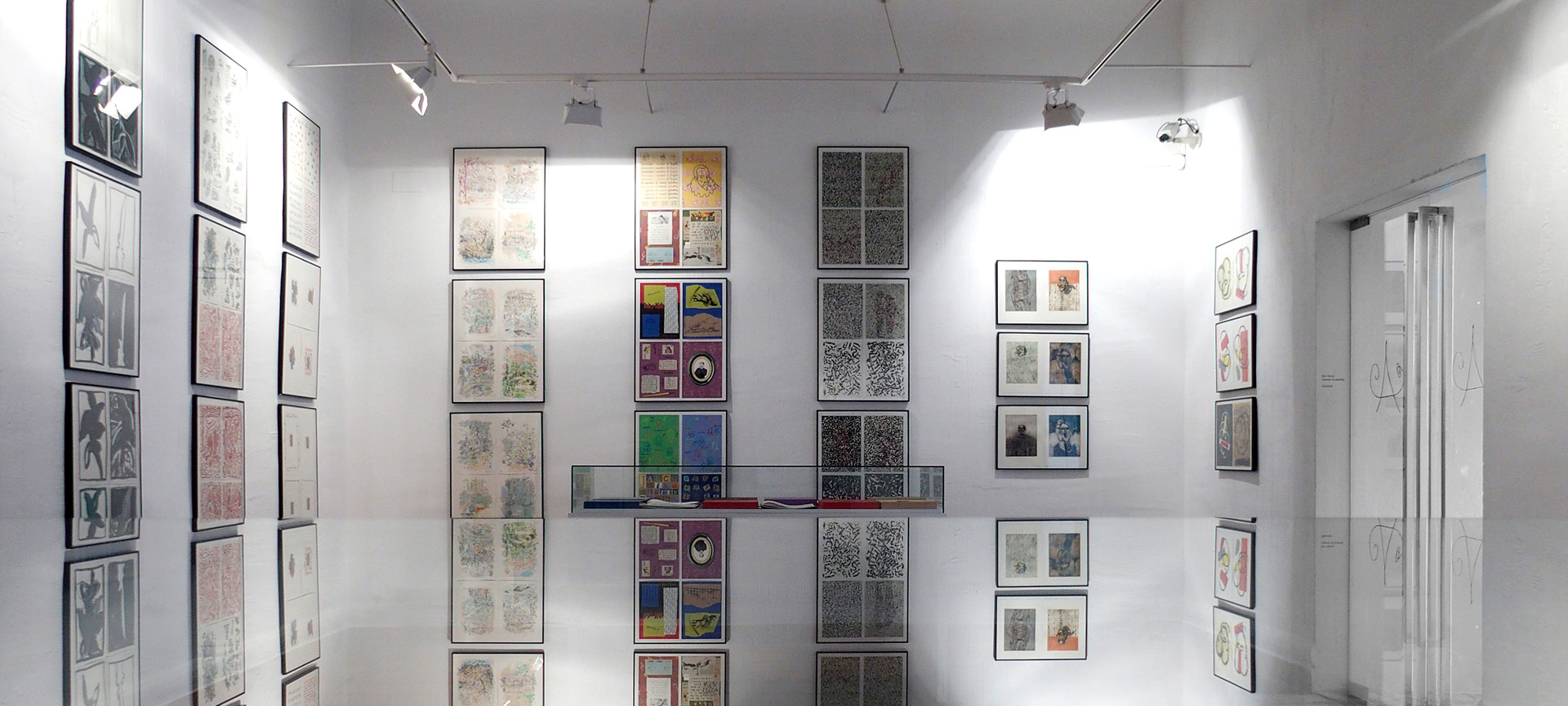
The city of Cuenca has established itself over the past decades as one of the most important cultural centers in Spain in the field of contemporary art. Despite its relatively small size, the city is home to museums, galleries, and exhibition spaces that have helped position it as a significant artistic reference both nationally and internationally.
The combination of an exceptional historical setting, vibrant cultural activity, and the influence of artists and collectors has allowed Cuenca to develop a very dynamic artistic scene. In its streets, medieval heritage coexists with some of the most innovative expressions of contemporary art.
🖌️ The Origins of Contemporary Art in Cuenca
The development of Cuenca’s contemporary art scene began to consolidate in the mid-20th century, when several artists and collectors recognized the cultural potential of the city.
One of the key moments in this transformation was the creation of the Museo de Arte Abstracto Español, located inside the famous Casas Colgadas.
The museum was promoted by the painter and collector Fernando Zóbel, a central figure in the promotion of Spanish abstract art. His project transformed Cuenca into a meeting point for artists, critics, and art enthusiasts.
Thanks to this initiative, the city began attracting creators interested in experimenting with new forms of artistic expression.
🏛️ Museums and Contemporary Art Centers
Cuenca’s cultural scene is supported by a network of institutions dedicated to promoting artistic creation and cultural dissemination.
Museo de Arte Abstracto Español
The Museo de Arte Abstracto Español houses one of the most important collections of abstract art in Spain.
Among the artists represented in its collection are:
-
Antonio Saura
-
Eduardo Chillida
-
Manolo Millares
The museum’s galleries combine historic architecture with contemporary artworks, creating a unique dialogue between tradition and modernity.
Fundación Antonio Pérez
Another important cultural institution is the Fundación Antonio Pérez, dedicated to contemporary art and artistic experimentation.
The foundation houses:
-
Modern art collections
-
Contemporary photography
-
Works by emerging artists
-
Innovative temporary exhibitions
This cultural center plays a significant role in promoting contemporary art in the region.
Roberto Polo Collection
The Colección Roberto Polo is another major institution devoted to modern and contemporary art.
This museum contains an important international collection including:
-
European modern painting
-
Contemporary sculpture
-
Artistic installations
-
Experimental works
The opening of this museum has further strengthened Cuenca’s reputation as a cultural destination.
🎭 Cultural and Artistic Activity
Beyond its museums, Cuenca offers an active cultural program that includes:
-
Temporary exhibitions
-
Art festivals
-
Conferences and cultural meetings
-
Workshops and educational activities
These events allow artists, researchers, and the general public to actively participate in the cultural life of the city.
Cultural institutions regularly organize activities that encourage dialogue between different artistic disciplines.
🧑🎨 Artists and the Creative Community
The presence of museums and cultural centers has helped foster a vibrant artistic community in Cuenca.
Many contemporary artists have found the city to be an ideal place to develop their work thanks to:
-
Inspiration from the surrounding natural landscape
-
A strong cultural atmosphere
-
The peaceful environment of the historic old town
-
The presence of established artistic institutions
As a result, Cuenca has become a meeting place for artists from different generations and creative backgrounds.
🏙️ Art and Historical Heritage
One of the most fascinating aspects of Cuenca’s cultural scene is the relationship between contemporary art and historical heritage.
Many exhibition spaces in the city are located inside historic buildings, creating a striking contrast between:
-
Medieval architecture
-
Traditional urban spaces
-
Contemporary artworks
This combination allows the city to function almost like an open-air museum where different historical periods and artistic styles coexist.
🌍 Cultural and Tourist Impact
The development of contemporary art has had a significant impact on cultural tourism in Cuenca.
Every year thousands of visitors travel to the city to:
-
Visit its museums
-
Attend temporary exhibitions
-
Discover new artistic proposals
-
Explore its historic heritage
This flow of visitors contributes to the local economy and strengthens Cuenca’s cultural importance.
📚 Education and Artistic Outreach
Cultural institutions in Cuenca also play an important educational role.
Among the activities they organize are:
-
Educational programs for schools
-
Art workshops for young people
-
Guided exhibition tours
-
Conferences and academic seminars
These initiatives help bring contemporary art closer to new audiences and encourage interest in culture.
🧭 Conclusion
Today, Cuenca is a city where contemporary art plays a fundamental role in its cultural identity. Thanks to the presence of museums, foundations, and exhibition spaces, the city has successfully established itself as an important artistic center.
The coexistence of historical heritage, natural landscapes, and contemporary artistic creation makes Cuenca a unique cultural destination. Its artistic scene continues to evolve, attracting creators, researchers, and visitors interested in discovering new forms of artistic expression.