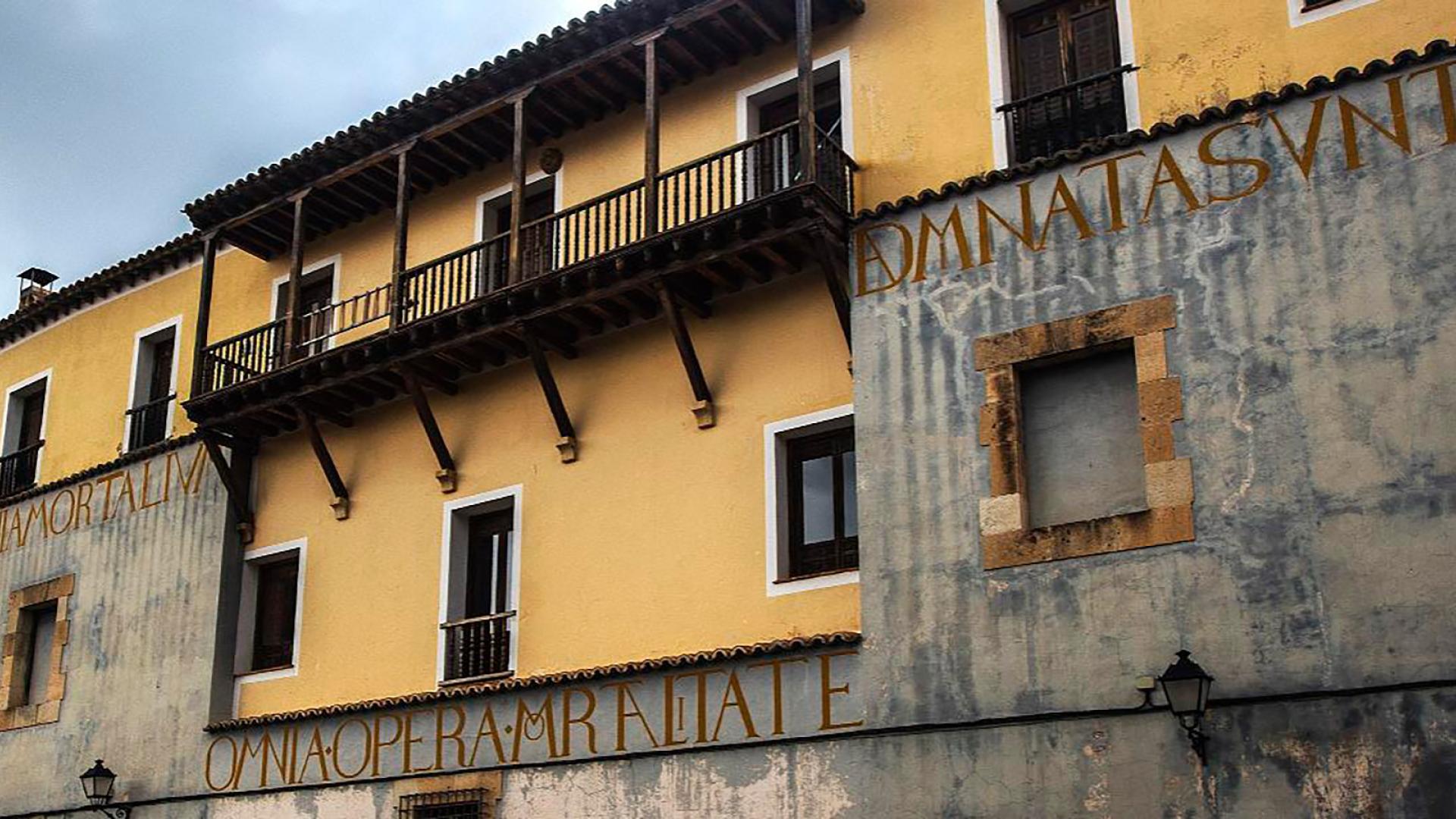
The Museo de Cuenca is one of the most important cultural institutions in the province and a key reference for the preservation of archaeological heritage in Castilla-La Mancha. Its history is closely linked to the cultural development of the city of Cuenca and to the growing interest in protecting the historical remains discovered throughout the province during the 20th century.
Located in the historic Casa del Curato de San Martín, in the heart of the old town, the museum not only houses artifacts of great historical value but is itself part of the architectural heritage of the city.
📜 Origins: The Need to Preserve Heritage
During the 19th century and the early decades of the 20th century, numerous archaeological discoveries began to appear throughout the province of Cuenca. Excavations in ancient Roman cities such as Segóbriga, Ercávica, and Valeriarevealed sculptures, mosaics, inscriptions, ceramics, and everyday objects that demonstrated the historical importance of the region.
However, for many years these artifacts were either transferred to museums in other cities or kept in storage without an adequate place for public display. This situation led to the emergence of a cultural and academic movement in Cuenca that advocated the creation of a local institution dedicated to preserving, studying, and sharing the province’s historical heritage.
🏛️ Official Foundation of the Museum
The Museum of Cuenca was officially established in 1974, during a period when Spain was developing new policies aimed at protecting historical heritage.
The institution was created with two main objectives:
-
To safeguard archaeological discoveries from across the province
-
To present and explain the history of Cuenca from Prehistory to the Early Modern period
Since its foundation, the museum has been connected to the network of state museums managed by the regional government of Castilla-La Mancha, gradually becoming an important cultural reference for the region.
🏠 The Casa del Curato de San Martín: A Historic Building
The museum is located in the Casa del Curato de San Martín, a historic building in the old town of Cuenca, which forms part of the city’s historic center declared a UNESCO World Heritage Site in 1996.
The building has medieval origins dating back to the 14th century, although it has undergone several renovations over the centuries.
Among its most notable architectural features are:
-
Traditional masonry walls
-
Architectural elements characteristic of local Cuenca architecture
-
Harmonious integration within the medieval urban landscape
-
Beautiful views of the surrounding natural environment
Being located in such a historic building adds a special dimension to the museum experience: visitors are not only observing history, but literally walking through it.
🧱 Evolution and Development
Since its opening in the 1970s, the museum has undergone several phases of modernization and improvement.
These developments include:
-
Reorganization of exhibition spaces
-
Improvements in conservation systems
-
Introduction of new technologies for interpretation
-
Expansion of the collections through recent archaeological discoveries
The museum’s collection has grown steadily thanks to archaeological excavations in the province, donations, and institutional deposits.
🗿 Development of the Collections
The growth of the museum’s collections is closely connected to archaeological discoveries throughout the province.
Some of the most important historical periods represented include:
🔹 Prehistoric Period
Artifacts such as stone tools, remains of early settlements, and objects from the Bronze Age and Iron Age illustrate the earliest stages of human activity in the region.
🔹 Roman Period
The province of Cuenca played an important role in Roman Hispania. The cities of Segóbriga, Ercávica, and Valeria contributed numerous artifacts including:
-
Monumental sculptures
-
Latin inscriptions
-
Architectural fragments
-
Domestic and funerary objects
🔹 Visigothic, Islamic, and Medieval Christian Periods
The museum also preserves artifacts that illustrate the cultural transitions following the fall of the Roman Empire and the formation of medieval society in the region.
📚 Research and Educational Role
Since its foundation, the Museum of Cuenca has not only functioned as an exhibition space but also as a center for:
-
Archaeological research
-
Artifact conservation and restoration
-
Heritage education
-
Educational programs for schools and universities
-
Cultural conferences and lecture series
The institution collaborates with universities, archaeologists, and researchers, contributing to the scientific understanding of the region’s history.
🌍 The Museum in the Cultural Context of Cuenca
The city of Cuenca is well known for its cultural richness, where contemporary art coexists with historical heritage.
One of the most famous cultural institutions in the city is the Museo de Arte Abstracto Español, located inside the iconic Casas Colgadas.
In this context, the Museum of Cuenca provides the historical and archaeological dimension that complements the city’s contemporary artistic offerings, creating a unique balance between past and present.
🕰️ Present-Day Importance
Today, the Museum of Cuenca plays a crucial role in:
-
Preserving the historical identity of the province
-
Promoting cultural knowledge among residents and visitors
-
Highlighting the importance of local archaeological sites
-
Protecting heritage from deterioration and illegal trafficking
It is also an important member of the network of museums in Castilla-La Mancha, reinforcing its status as a key cultural institution in the region.
✨ The Future of the Museum
The museum continues to adapt to the challenges of the 21st century by focusing on:
-
Digitalization of collections
-
New online communication strategies
-
Innovative educational programs
-
Temporary exhibitions that connect history with contemporary perspectives
Its mission remains the same as when it was founded: to preserve, research, and share the history of Cuenca for present and future generations.