
The city of Cuenca is one of the most important cultural destinations in inland Spain. Its historic center, declared a UNESCO World Heritage Site, is renowned not only for its medieval architecture and spectacular natural landscapes but also for its remarkable network of museums.
Despite being a relatively small city, Cuenca is home to cultural institutions of national and international significance. From museums dedicated to contemporary art to centers focused on archaeology, paleontology, and science, the city’s museum network offers visitors a journey through multiple fields of knowledge.
In this guide, you will discover the main museums of Cuenca, what you can see in each of them, and why they are worth visiting.
🎨 Spanish Abstract Art Museum
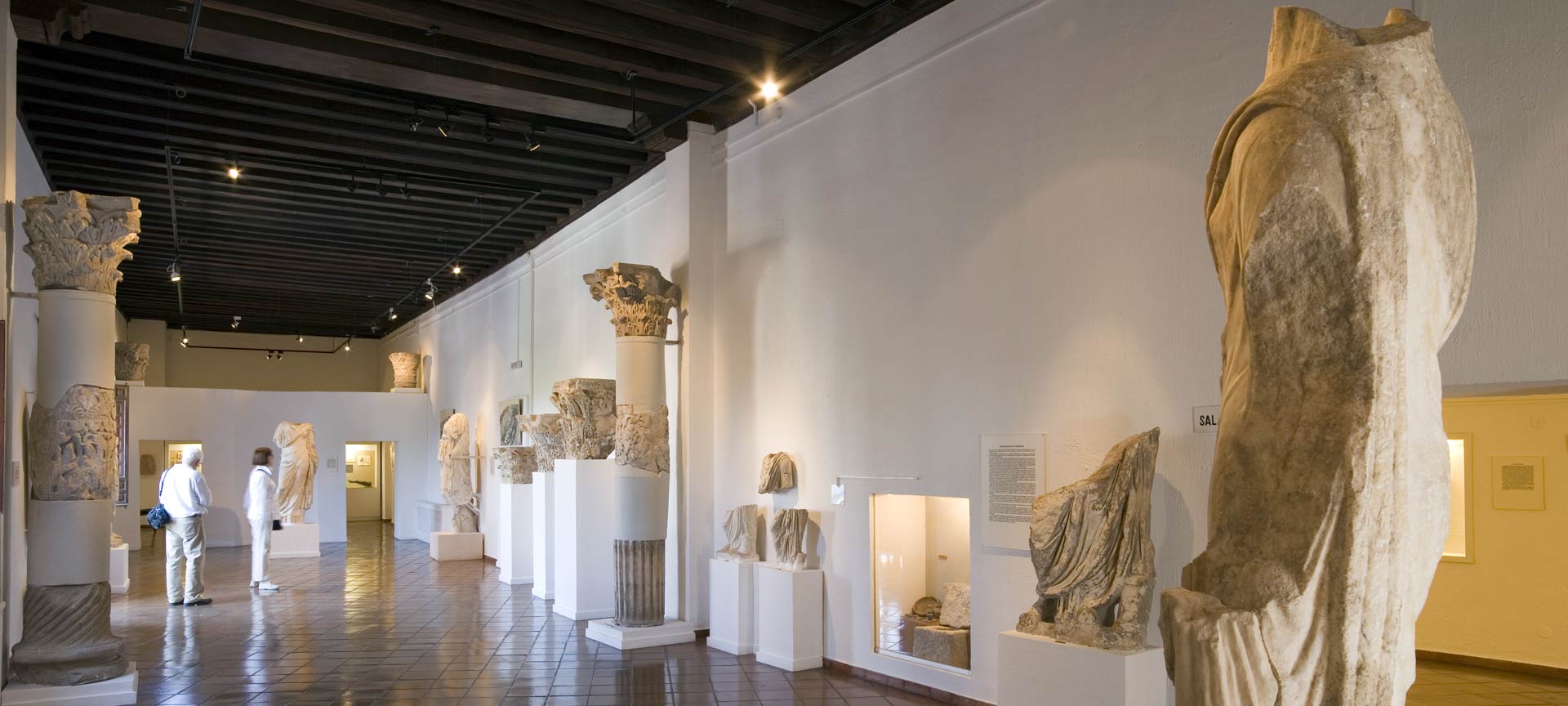
The Museo de Arte Abstracto Español is probably the most famous museum in the city. It is located inside the iconic Casas Colgadas (Hanging Houses), one of the most recognizable symbols of Cuenca.
The museum was founded in 1966 by the artist and collector Fernando Zóbel with the aim of promoting contemporary Spanish abstract art.
What You Can See
The museum houses one of the most important collections of abstract art in Spain, with works by major artists such as:
-
Antonio Saura
-
Eduardo Chillida
-
Manolo Millares
-
Antonio Lorenzo
The galleries combine contemporary artworks with the historic architecture of the building, creating a unique cultural experience.
🦖 Paleontological Museum of Castilla-La Mancha

The Museo Paleontológico de Castilla-La Mancha is one of the most modern scientific museums in Spain.
Located on a hill with spectacular views of the city, it is dedicated to the study of fossils discovered in the region.
What You Can See
Some of its main attractions include:
-
Dinosaur skeletons
-
Fossils from the Cretaceous period
-
Remains of prehistoric animals
-
Scientific reconstructions of ancient ecosystems
Many of the fossils displayed come from the famous Las Hoyas site, one of the most important fossil deposits in the world for studying the Early Cretaceous period.
The museum combines science, technology, and education in an engaging way for visitors of all ages.
🔬 Science Museum of Castilla-La Mancha

The Museo de las Ciencias de Castilla-La Mancha is dedicated to scientific and technological education.
Its mission is to bring science closer to the public through interactive exhibitions and educational experiences.
What You Can See
The museum includes several thematic areas such as:
-
Astronomy and a planetarium
-
Physics and interactive experiments
-
History of science
-
Environmental science and sustainability
The planetarium is one of the museum’s main attractions, allowing visitors to explore the universe and learn about the solar system.
🏺 Museum of Cuenca

The Museo de Cuenca focuses mainly on the archaeology and history of the province.
Located in the historic Casa del Curato de San Martín, the museum displays artifacts ranging from Prehistory to the Early Modern period.
What You Can See
Among the most important objects are pieces discovered in Roman archaeological sites such as:
-
Segóbriga
-
Ercávica
-
Valeria
The collection includes Roman sculptures, Latin inscriptions, everyday objects, and architectural remains that help explain the history of the region.
🎭 Antonio Pérez Foundation
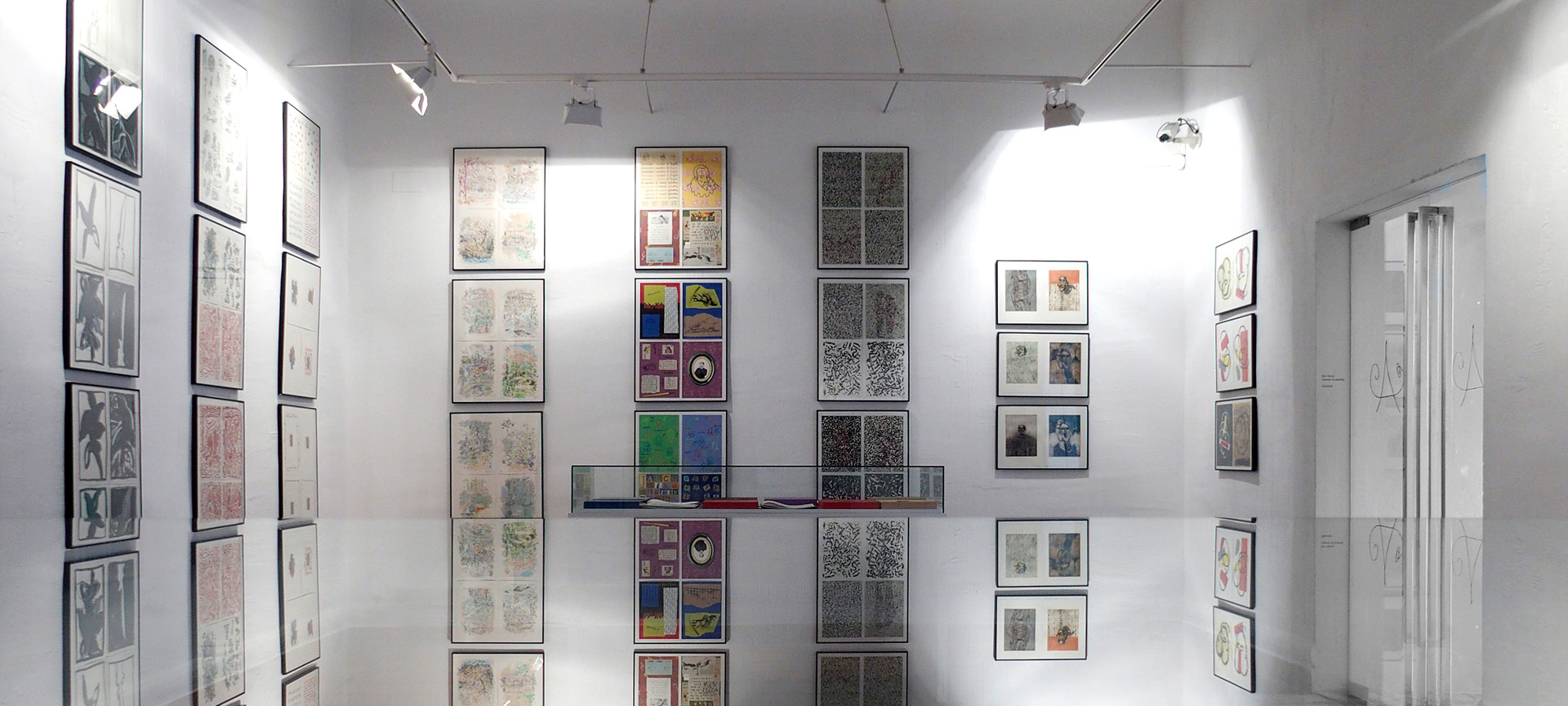
The Fundación Antonio Pérez is another important cultural institution in the city.
This museum is dedicated to contemporary art and houses the personal collection of editor and collector Antonio Pérez.
What You Can See
The exhibitions include:
-
Contemporary Spanish art
-
Artistic photography
-
Collage and experimental art
-
Temporary exhibitions featuring contemporary artists
Located in a historic building in the old town, the foundation is one of the most active cultural centers in Cuenca.
🖼️ Roberto Polo Collection
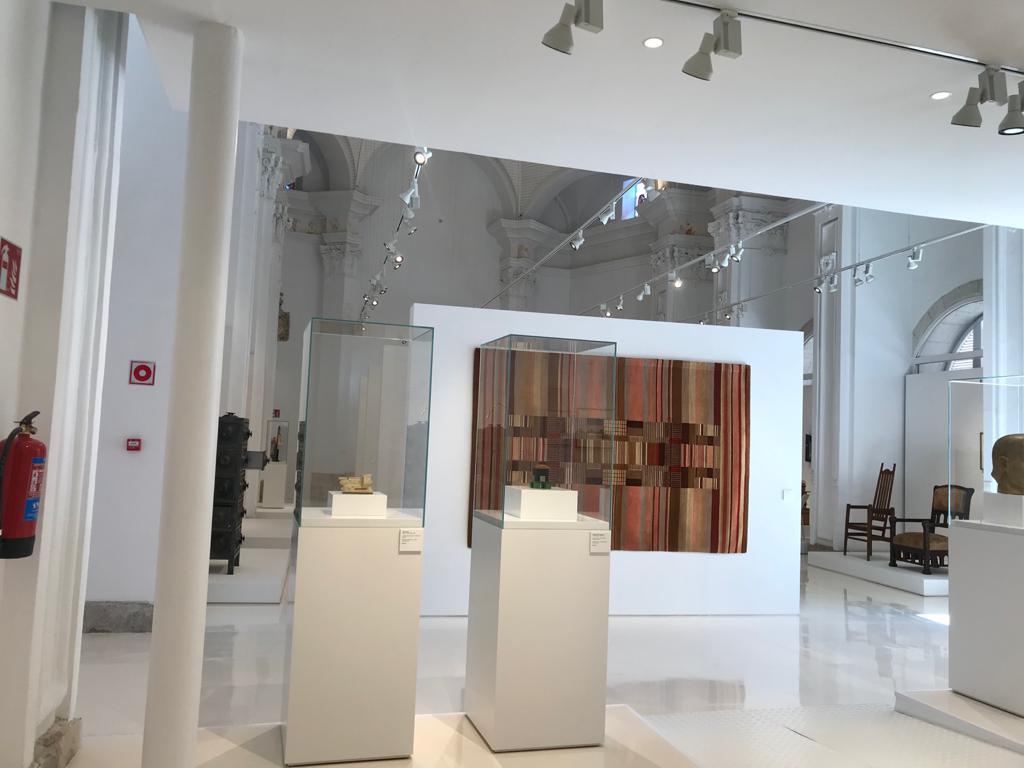
The Colección Roberto Polo is a relatively recent museum that houses an important international collection of modern and contemporary art.
What You Can See
The collection includes works such as:
-
European 20th-century art
-
Contemporary painting
-
Modern sculpture
-
Artistic installations
The museum aims to position Cuenca as an important reference point for contemporary art in Europe.
🧭 Cultural Route Through the Museums of Cuenca
One of the best ways to enjoy the city is to follow a cultural route that combines several museums in a single day.
A recommended itinerary could be:
1️⃣ Museum of Cuenca – History and archaeology
2️⃣ Spanish Abstract Art Museum – Contemporary art
3️⃣ Antonio Pérez Foundation – Modern art
4️⃣ Science Museum – Science and education
5️⃣ Paleontological Museum – Natural history
This route allows visitors to explore different historical periods and fields of knowledge.
🌍 Cultural Importance of Museums in Cuenca
The museums of Cuenca play a fundamental role in the cultural life of the city by:
-
Preserving historical and artistic heritage
-
Promoting academic research
-
Encouraging cultural tourism
-
Offering educational activities for all audiences
Thanks to this network of cultural institutions, Cuenca has become one of the most interesting cultural destinations in central Spain.
📚 Conclusion
The museum offer in Cuenca is surprisingly diverse and extensive. Within just a few kilometers, visitors can find museums dedicated to contemporary art, archaeology, science, and paleontology.
This cultural richness makes the city an ideal destination for anyone interested in discovering the historical and artistic heritage of Castilla-La Mancha.
Visiting these museums not only allows people to learn about the history of the region but also to understand the evolution of art, science, and culture throughout time.